Years of dry eyes, and what seems to be helping
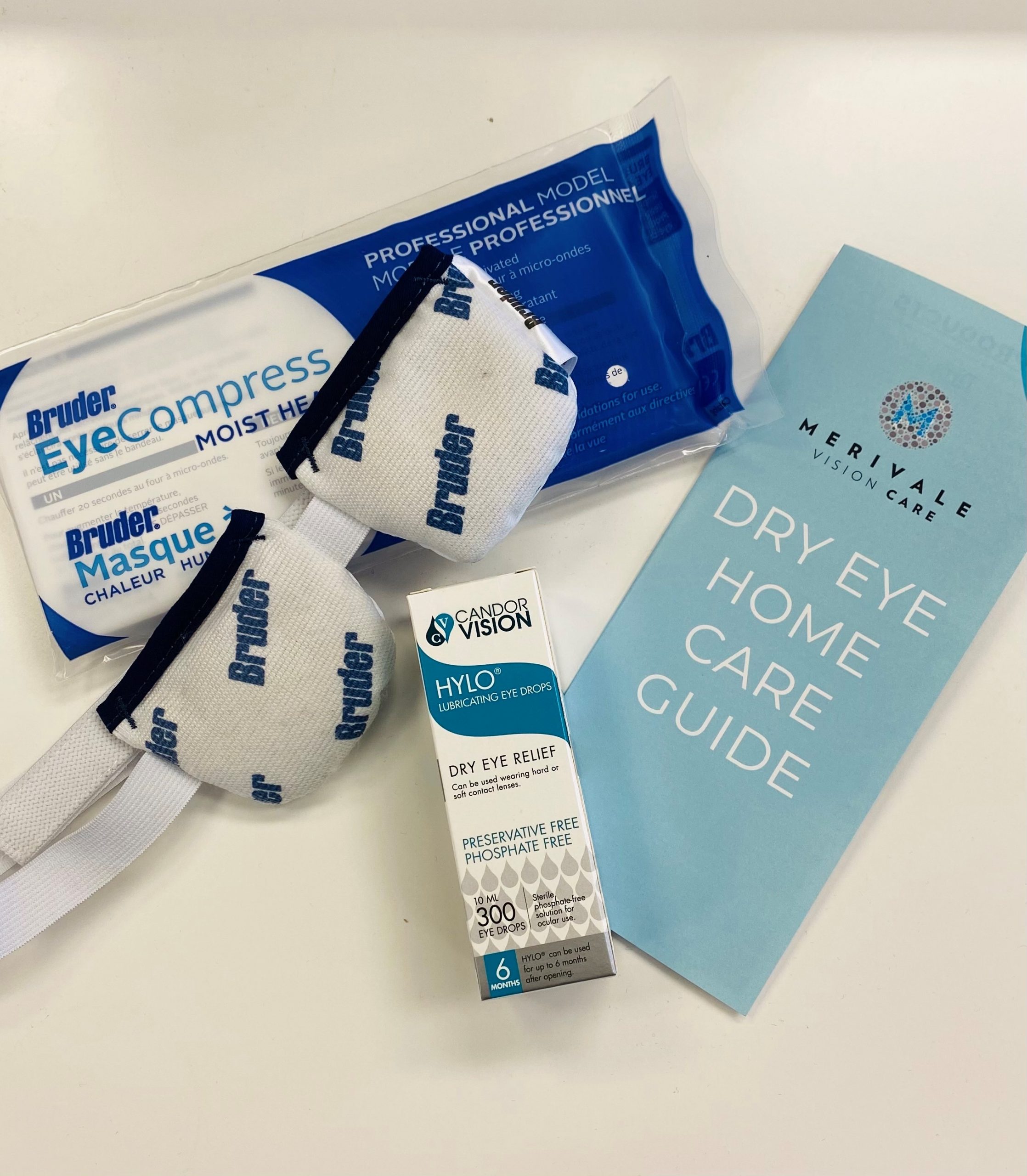
A lot of friends have asked about my eyes and what’s helped. I’m sharing my experience because I care about the people around me, and I’d love for someone else to avoid some of the pain and trial and error I’ve been through.
Looking back, I might have had dry eyes for around six years. I can’t pinpoint when it started. I felt like I was managing fine until an eye infection brought the severity of the underlying problem to my attention.
Dry eye is common, affecting millions of Americans. Symptoms can include burning, grittiness and blurry vision, so it may not feel like simple “dryness.” I know at least one other friend who has severe dry eyes, too. National Eye Institute. Often times people don't even know they have it, because they don't really know how to describe it.
How I found out how bad it was
My records mention meibomian gland dysfunction (MGD) as early as February 2023, when I was dealing with bumps on my right eyelid. These glands produce oil that helps keep tears from evaporating too quickly. My doctor mentioned this was fairly common and recommended artificial tears.
Then I had an eye infection in August 2023. Dry eye disease can make eyes more susceptible to infections, although I don’t know whether it caused mine. FDA
The infection improved, but the dryness continued. My eyes felt irritated, blurry. Working at a computer and wearing contacts for sports became difficult. At that point, I could only wear contacts for about two hours at a time.
By February 2024, my records described severe dry eye in both eyes, severe meibomian gland dropout in the right eye, milder changes in the left, and a corneal ulcer in the right eye.
What I’ve tried
These treatments happened at different times and addressed different problems, including dryness, eyelid inflammation, allergies and infections. This wasn’t one routine.
- Warm compresses, lid hygiene and gland expression.
- Preservative-free artificial tears, including Refresh and Systane. By February 2025, I’d noticed less blurriness with Systane.
- Nighttime gel and an eye mask.
- Maxitrol for the eyelid bumps and Tobradex during infection episodes.
- ZEST, an eyelid cleaning treatment, in November 2023.
- Pataday and Lotemax in late 2023. At my Lotemax follow-up, I reported only slight improvement.
- Prokera with Dr. Weng at Omni, twice in my right eye and once in my left. By February 2024, my eye surface had improved enough to return for a glasses and contact lens assessment.
- Ketorolac. I reported worsening redness while using it, although the timing alone doesn’t prove it caused the redness.
- Vigamox for the corneal ulcer. At the February follow-up, the ulcer had resolved, with some surface staining remaining.
- Restasis, which I was using by February 2025, with refills continuing into 2026.
- Miebo, which I started around late May 2026 and which seems to be helping so far.
OptiLight was also recommended, but getting insurance coverage for it has been tricky.
What seems to be helping now
I’ve been working with Dr. Ethan Chan at Cosmopolitan Eyecare, and Miebo seems to be helping. Its ingredient, perfluorohexyloctane, helps reduce tear evaporation. The FDA approved it on May 18, 2023, the same year my eye problems became much harder to manage. FDA
There’s a lot of trial and error here. Some treatments helped particular episodes without resolving the ongoing dryness. “Seems to be helping so far, better than other treatments” is where I am with Miebo.
It helps to have a doctor who keeps up with treatment options and follows through when something isn’t working. Ask what else is available and how long to give a treatment before reassessing.
I’m very grateful to Dr. Chan for sticking with me through the treatment changes and dealing with insurance.
Insurance is part of the process
Getting a prescription and getting it covered involve separate rounds of work.
Some plans require you to try other treatments before covering a particular medication. This is called step therapy, and the required treatments and trial lengths vary by plan. Keep a record of what you tried, when, for how long and what happened. Your doctor may need that information for an authorization or exception request.
Also, your medical insurance and prescription benefits may be managed by different companies. Your pharmacy benefits might go through CVS Caremark, Express Scripts or Optum Rx, even when another insurer’s name is on your medical card. You may have a separate prescription card.
In August 2026, Dr. Chan told me my Miebo had been approved and to contact CVS. There’s administrative work behind getting treatment into your hands, too.
Please take care of your eyes
We tend to blink less when staring at screens, which can contribute to dry eye. Take screen breaks and remember to blink fully. Persistent symptoms deserve an eye exam. NIH
A few things I’d encourage you to do, especially if your eyes already feel uncomfortable.
- Try preservative-free artificial tears for mild dryness. Systane is one option. Check the exact product because the brand sells different formulations, and ask your pharmacist or eye doctor about contact lens compatibility.
- Ask about a preservative-free gel or ointment at bedtime. Nighttime gel is part of my daily routine. Thicker lubricants can temporarily blur vision, which makes bedtime a useful time to use them. Check both your daytime drops and nighttime product for preservatives, especially if you need frequent lubrication. Mayo Clinic
- Ask your doctor about alternatives if you’re still struggling. Describe your symptoms, what you’ve tried and how it affects your day. Ask what’s causing the dryness and whether a dry eye specialist would help.
Don’t f with your eyes. Significant pain, new vision changes or a painful red eye need prompt medical assessment.
I’m sharing my journey as one more data point for friends who’ve asked. What helps me may not be what helps you, but I hope this makes it easier to recognize a problem and start that conversation with your doctor.